Education & Workforce
Education & Workforce
Our 2025 Intern: Joursele Bang-As
|
5
min read
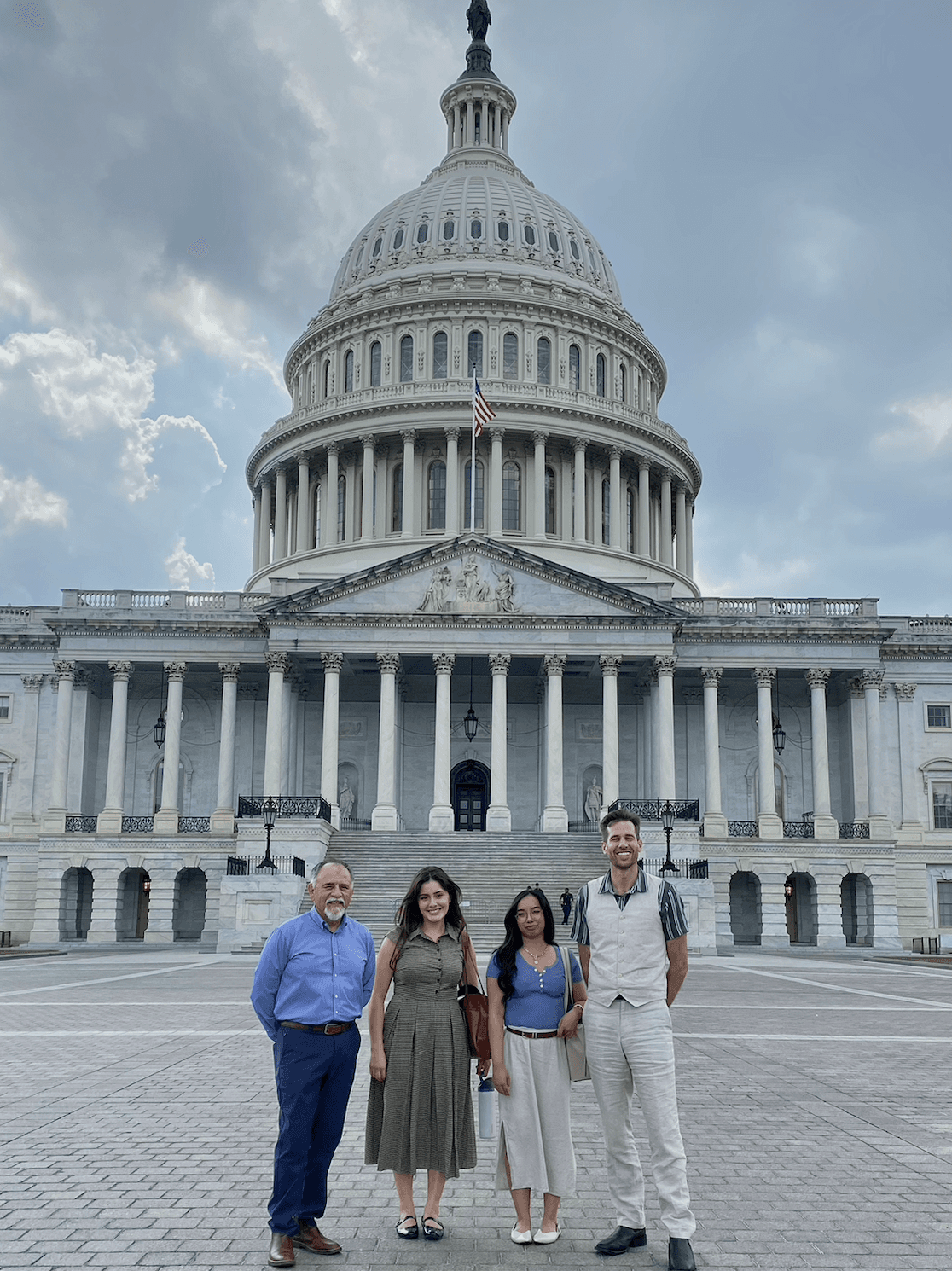
In the summer of 2025, Native Nuclear hired its first student intern, Joursele Bang-As: a nuclear engineering and computer science undergraduate student from the University of New Mexico. Our internship offered a unique opportunity to conduct research on sustainable energy solutions while contributing to the development of Native Nuclear’s public outreach and branding efforts. Joursele surmounted our expectations with ease, demonstrating an expertise in nuclear science and strategic communication techniques while navigating complex conversations about tribal issues in nuclear energy deliberations.
Joursele proved that technical sciences can be balanced alongside interpersonal skills, authenticating our mission to bridge nuclear knowledge and community trust.
Continue reading to learn about Joursele's internship in her own words.
What were your intern responsibilities with Native Nuclear?
During my internship with Native Nuclear, I worked in supporting research, outreach, and brand development initiatives focused on nuclear energy and tribal sovereignty. My responsibilities included conducting research on nuclear energy systems — particularly consolidated interim storage — and their implications for Native communities, developing educational and public-facing materials, and synthesizing complex technical and policy information into accessible formats. I also supported direct outreach efforts by contacting tribes through emails and cold calls, assisting with stakeholder engagement, and helping maintain and update Native Nuclear’s website and social media platforms. Additionally, I attended weekly team and Collaboration-Based Siting (CBS) meetings, took detailed notes, and supported ongoing advocacy and communication efforts across the organization.
What were the major projects you worked on?
My primary project was contributing to the development of the Tribal Guide to Consolidated Storage Facilities for Used Nuclear Fuel, an educational and advocacy resource intended to support tribal governments in navigating nuclear waste storage, collaboration-based siting, and federal regulatory frameworks. I played a key role in synthesizing technical, policy, and historical research into clear, accessible content for tribal audiences, with particular attention to sovereignty, consent, and long-term stewardship. This work included reviewing federal documents, summarizing Collaboration-Based Siting (CBS) principles, supporting interviews and outreach with tribal representatives, and drafting sections of educational material designed for non-technical stakeholders. In support of this core project, I also assisted with the creation of CBS one-pagers, helped coordinate communications with tribal and industry stakeholders, and contributed to Native Nuclear’s website and social media to align public messaging with the guide’s goals. Throughout the project, I worked to balance technical accuracy with cultural sensitivity and accessibility.
What were the standout experiences you recall during your internship?
One standout experience was participating in Collaboration-Based Siting (CBS) meetings connected to the DOE-funded consortium, where I observed how technical, political, and cultural considerations intersect in real-world nuclear decision-making. Directly engaging in tribal outreach was also particularly impactful, as it emphasized the importance of trust-building, respectful communication, and listening in advocacy work. Working closely with Native Nuclear’s leadership gave me insight into how a small, mission-driven nonprofit operates at the intersection of policy, education, and community engagement.
What surprised you about working with Native Nuclear?
I was surprised by how interdisciplinary and relational the work was. While I expected the internship to be technically focused, much of the work centered on communication, storytelling, and relationship-building with tribes and stakeholders. I also gained a deeper appreciation for how historical context, sovereignty, and lived experience shape how nuclear technologies are perceived and discussed. The level of responsibility and trust given to interns — particularly in outreach and content development — was both unexpected and empowering.
How has your intern experience enriched the lessons learned in your academic work?
My experience with Native Nuclear significantly enriched my academic studies in nuclear engineering by grounding technical concepts in social, ethical, and policy contexts. Coursework often emphasizes reactor physics, fuel cycles, and waste management from a technical standpoint; this internship highlighted how those systems interact with communities, governance, and environmental justice. Translating complex nuclear topics into accessible language strengthened my communication skills and reinforced the importance of interdisciplinary approaches in nuclear engineering. Overall, the internship helped me connect theory to practice and clarified how my technical training can be applied in service of equitable and community-centered energy solutions.
Our Native Nuclear team is beyond grateful for Joursele's impressive addition to our team, and we trust that she will use her skills as a capable scholar and adept collaborator to guide her accomplishments in her future endeavors.
In the summer of 2025, Native Nuclear hired its first student intern, Joursele Bang-As: a nuclear engineering and computer science undergraduate student from the University of New Mexico. Our internship offered a unique opportunity to conduct research on sustainable energy solutions while contributing to the development of Native Nuclear’s public outreach and branding efforts. Joursele surmounted our expectations with ease, demonstrating an expertise in nuclear science and strategic communication techniques while navigating complex conversations about tribal issues in nuclear energy deliberations.
Joursele proved that technical sciences can be balanced alongside interpersonal skills, authenticating our mission to bridge nuclear knowledge and community trust.
Continue reading to learn about Joursele's internship in her own words.
What were your intern responsibilities with Native Nuclear?
During my internship with Native Nuclear, I worked in supporting research, outreach, and brand development initiatives focused on nuclear energy and tribal sovereignty. My responsibilities included conducting research on nuclear energy systems — particularly consolidated interim storage — and their implications for Native communities, developing educational and public-facing materials, and synthesizing complex technical and policy information into accessible formats. I also supported direct outreach efforts by contacting tribes through emails and cold calls, assisting with stakeholder engagement, and helping maintain and update Native Nuclear’s website and social media platforms. Additionally, I attended weekly team and Collaboration-Based Siting (CBS) meetings, took detailed notes, and supported ongoing advocacy and communication efforts across the organization.
What were the major projects you worked on?
My primary project was contributing to the development of the Tribal Guide to Consolidated Storage Facilities for Used Nuclear Fuel, an educational and advocacy resource intended to support tribal governments in navigating nuclear waste storage, collaboration-based siting, and federal regulatory frameworks. I played a key role in synthesizing technical, policy, and historical research into clear, accessible content for tribal audiences, with particular attention to sovereignty, consent, and long-term stewardship. This work included reviewing federal documents, summarizing Collaboration-Based Siting (CBS) principles, supporting interviews and outreach with tribal representatives, and drafting sections of educational material designed for non-technical stakeholders. In support of this core project, I also assisted with the creation of CBS one-pagers, helped coordinate communications with tribal and industry stakeholders, and contributed to Native Nuclear’s website and social media to align public messaging with the guide’s goals. Throughout the project, I worked to balance technical accuracy with cultural sensitivity and accessibility.
What were the standout experiences you recall during your internship?
One standout experience was participating in Collaboration-Based Siting (CBS) meetings connected to the DOE-funded consortium, where I observed how technical, political, and cultural considerations intersect in real-world nuclear decision-making. Directly engaging in tribal outreach was also particularly impactful, as it emphasized the importance of trust-building, respectful communication, and listening in advocacy work. Working closely with Native Nuclear’s leadership gave me insight into how a small, mission-driven nonprofit operates at the intersection of policy, education, and community engagement.
What surprised you about working with Native Nuclear?
I was surprised by how interdisciplinary and relational the work was. While I expected the internship to be technically focused, much of the work centered on communication, storytelling, and relationship-building with tribes and stakeholders. I also gained a deeper appreciation for how historical context, sovereignty, and lived experience shape how nuclear technologies are perceived and discussed. The level of responsibility and trust given to interns — particularly in outreach and content development — was both unexpected and empowering.
How has your intern experience enriched the lessons learned in your academic work?
My experience with Native Nuclear significantly enriched my academic studies in nuclear engineering by grounding technical concepts in social, ethical, and policy contexts. Coursework often emphasizes reactor physics, fuel cycles, and waste management from a technical standpoint; this internship highlighted how those systems interact with communities, governance, and environmental justice. Translating complex nuclear topics into accessible language strengthened my communication skills and reinforced the importance of interdisciplinary approaches in nuclear engineering. Overall, the internship helped me connect theory to practice and clarified how my technical training can be applied in service of equitable and community-centered energy solutions.
Our Native Nuclear team is beyond grateful for Joursele's impressive addition to our team, and we trust that she will use her skills as a capable scholar and adept collaborator to guide her accomplishments in her future endeavors.
Subscribe To Our Newsletter
Subscribe To Our Newsletter
Get our latest updates delivered directly to your inbox!
Share It On:
Related Articles
Related Articles
Connecting Native Voices to the Nuclear Industry
Join our email list for monthly updates
While we advocate for greater Native representation in nuclear energy, we do not represent, nor do we speak on behalf of, any specific tribe.
@NATIVENUCLEAR 2025
|
Registered 501(c)(3)
Connecting Native Voices to the Nuclear Industry
Join our email list for monthly updates
While we advocate for greater Native representation in nuclear energy, we do not represent, nor do we speak on behalf of, any specific tribe.
@NATIVENUCLEAR 2025
Registered 501(c)(3)