Education & Workforce
Education & Workforce
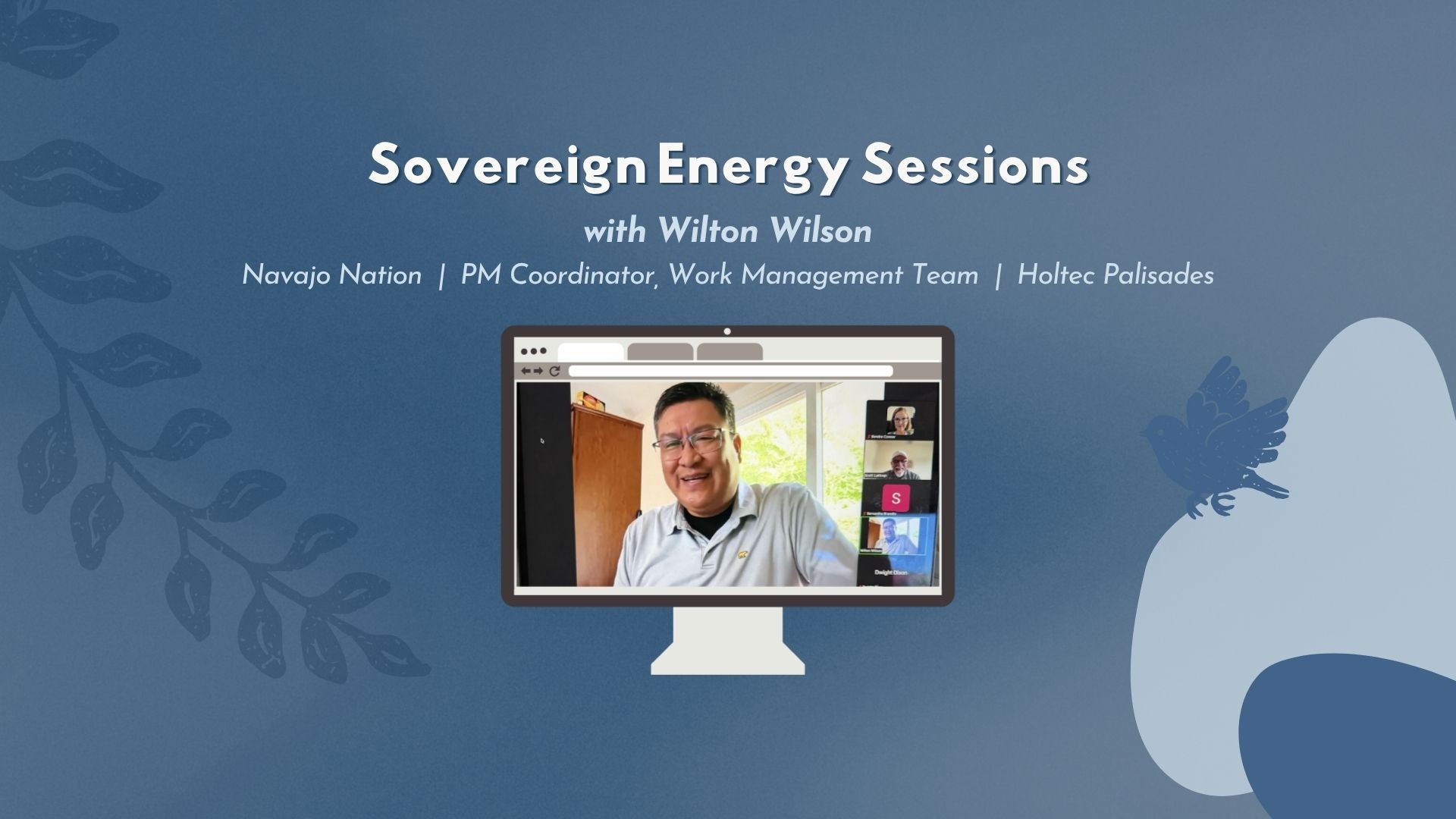
No Shortcuts, Just Questions: Wilton Wilson's Twenty-Year Climb in Nuclear
|
10
min read
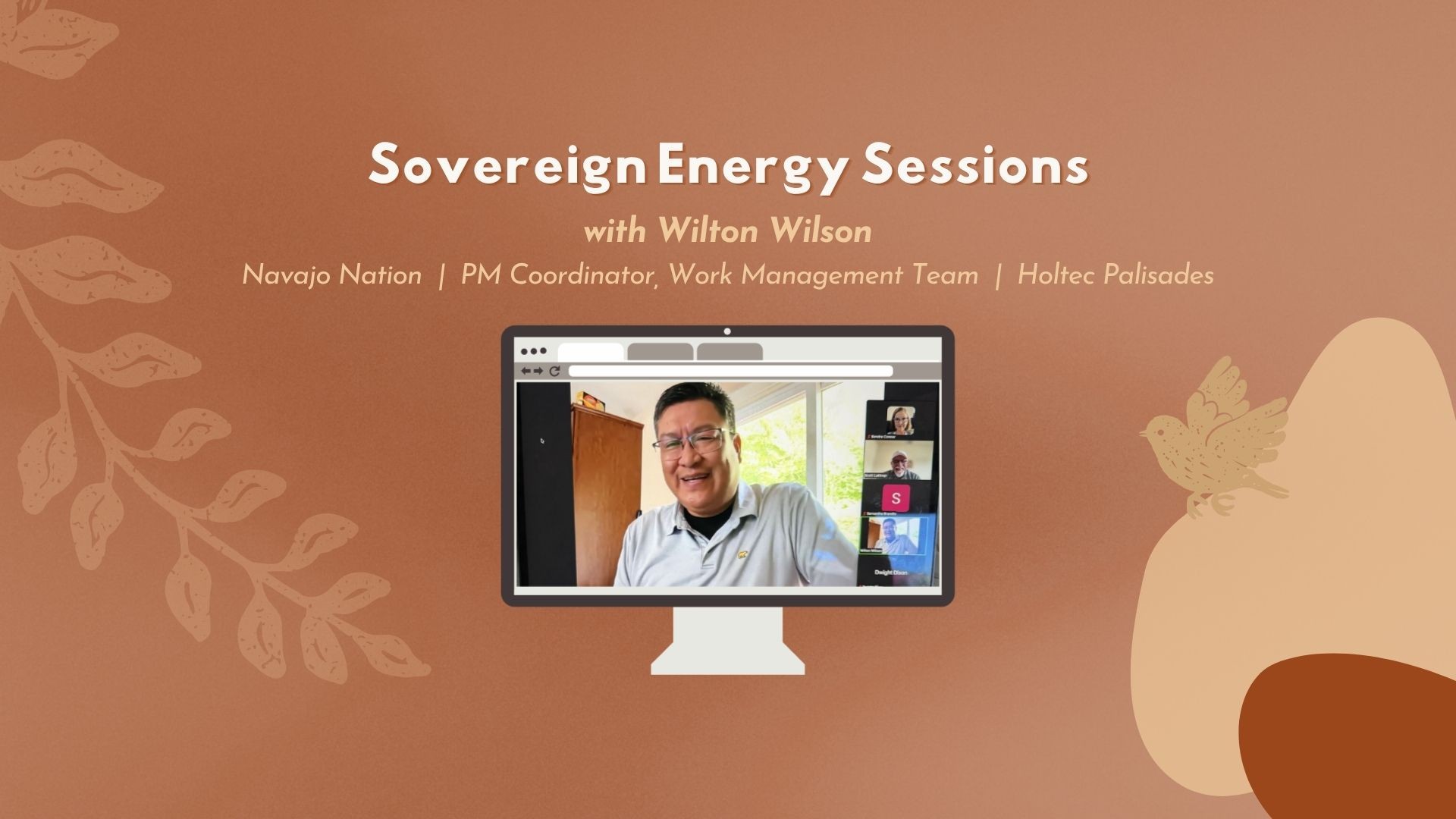
Sovereign Energy Session
Some careers are planned. Wilton Wilson's was built one question at a time. He grew up on the Navajo Reservation in Lupton, Arizona, raised in large part by grandparents who had livestock and a way of teaching that didn't feel like teaching at all. Every weekend the family drove out to look after the animals. Caring for livestock meant praying for rain, praying for the land to provide. “The animals,” he said, “put peace in your mind.” He didn't know it then, but those weekends were preparing him for a life of responsibility.
A first job that turned into a calling Wilton's background was masonry. He'd picked up some scaffolding experience working alongside an uncle who ran a masonry business. So when he hired on at Palo Verde Nuclear Generating Station as a carpenter building scaffold decks, he figured it was just another job. “It was a typical job is what I thought it was,” he told us. “But it led to bigger things.”
Palo Verde stopped him in his tracks. At the time it was the largest power producer in the country, three reactors, building after building, training facilities everywhere. He was amazed by the scale.
He was also surprised by something he'd never seen on a construction site: the training. Before he could touch a tool, he sat in a computer lab for weeks. It felt like being back in school, folders and pamphlets and all. The training was hard. There were a limited number of attempts allowed, and on one of them he came down to his very last chance.
“Boy, I prayed. Fortunately, I went and passed. But the safety there is at the highest level I've seen.” — Wilton Wilson
A family connection nobody saw coming
For a while, Wilton didn't tell anyone much about his work. He just went in, did the job, brought home a paycheck. Then one Sunday night at his grandparents' house, his grandfather asked where he was headed. Wilton said he had to drive back to work west of Phoenix. His grandfather paused.
He'd worked out there years ago, he said, pouring concrete in brutal heat for some kind of power plant, though he could never remember what they were building.
It was the same plant. His grandfather had helped lay the foundations of the very station where Wilton now worked. Two generations, the same ground, discovered by accident over dinner.
There are no shortcuts
Early on, Wilton asked one of the plant's directors a direct question: what's the shortcut to getting where you are? The director laughed. “There ain't no shortcuts,” he said. “You got to understand what you're working around.” Wilton took that to heart. Building scaffold decks for the HVAC, mechanical, and electrical teams, he started asking why. Why this location? Why this size deck? What are you replacing? He began reading work orders out of pure curiosity, then got computer access and studied the details of the jobs his crews were supporting.
That curiosity moved him up. Lead, then foreman, then an opening in scheduling. He already knew the people, the disciplines, and the timeframes each task required, so when he learned P6, the scheduling software used across the nuclear fleet, the pieces fell together “like a deck of cards.” He calls that certification a golden ticket. Sitting in project meetings, he absorbed how budgets, timelines, and systems all connected. It all came back to plant knowledge, the thing he'd been building since his first scaffold.
You don't need a degree to start
One of the most important things Wilton wants young people to hear is that the door is wider than they think. Plenty of people picture nuclear work as a four-year engineering degree and nothing else. The reality on site is far more diverse. Some workers come from the Navy. Some come straight from college. And many, like Wilton, grow through the training the plant provides.
“I never finished college,” he said plainly. “I attended but never completed my degree.” What mattered was applying himself to the training that was available and staying curious. He watched people without degrees move into operations and other skilled roles. His message is simple: be the person who's curious and asks the questions. “Applying yourself is going to be 90% of it,” he said. “The other 15%, we'll just call it luck.”
A family in nuclear
Wilton's belief in the industry shows up at his own dinner table. His wife now works at Palisades after starting at Palo Verde. His daughter began in housekeeping, set her sights on becoming a nuclear security officer, and trained up into the role. His son started as a helper in the mechanical department, joined the carpenters' union, and is now building his own path at Palisades, the same way his father did. “That's where I started also,” Wilton told him. “Look at those components, understand your work order, ask those questions.”
Respecting the history, owning the future
Wilton didn't shy away from the hardest part of this conversation. The Navajo Nation carries real and justified wariness toward nuclear, rooted in how uranium was mined on the reservation and in events like the Church Rock spill. He shares that wariness. “I hold a fear to it, to an extent, to respect it,” he said. That respect is exactly why the training matters. Lose control of it and the consequences are serious, which is why everyone on site holds each other accountable.
His vision is one of ownership. If young Native people learn the work, earn the permits, and understand how to handle these materials safely, they can be the ones at the table when projects come near their homelands. They can speak directly to safety, for the community and the environment, before a project ever begins.
“It's going to fall back to us as Native Americans to own that, to take and embrace that knowledge. So when we figure something out, we can run it and own it.” — Wilton Wilson
Our host put it another way during the session: the opposite of fear is knowledge. Electricity was terrifying before people learned to control it and put it to work. Nuclear sits in the same place for many communities now. Understanding is what turns a feared thing into a resource that can serve the people.
Advice for the next generation
When asked what he'd say to a young Native person who's never considered nuclear, Wilton kept it grounded. You can lead a horse to water, he said, but the interest has to be theirs. When someone shows that spark, the people who know things will start teaching them. His advice works for any field, not just nuclear: surround yourself with the people you want to become. Reach out. Ask questions. Do your own research before you commit. Curiosity, he says, is what leads you to opportunity.
And the rewards can be real. Asked how far his income had come since that first carpentry job, Wilton answered the way a storyteller would. “Before, we were hunting rabbits,” he said. “Now we came across the field of buffaloes.”
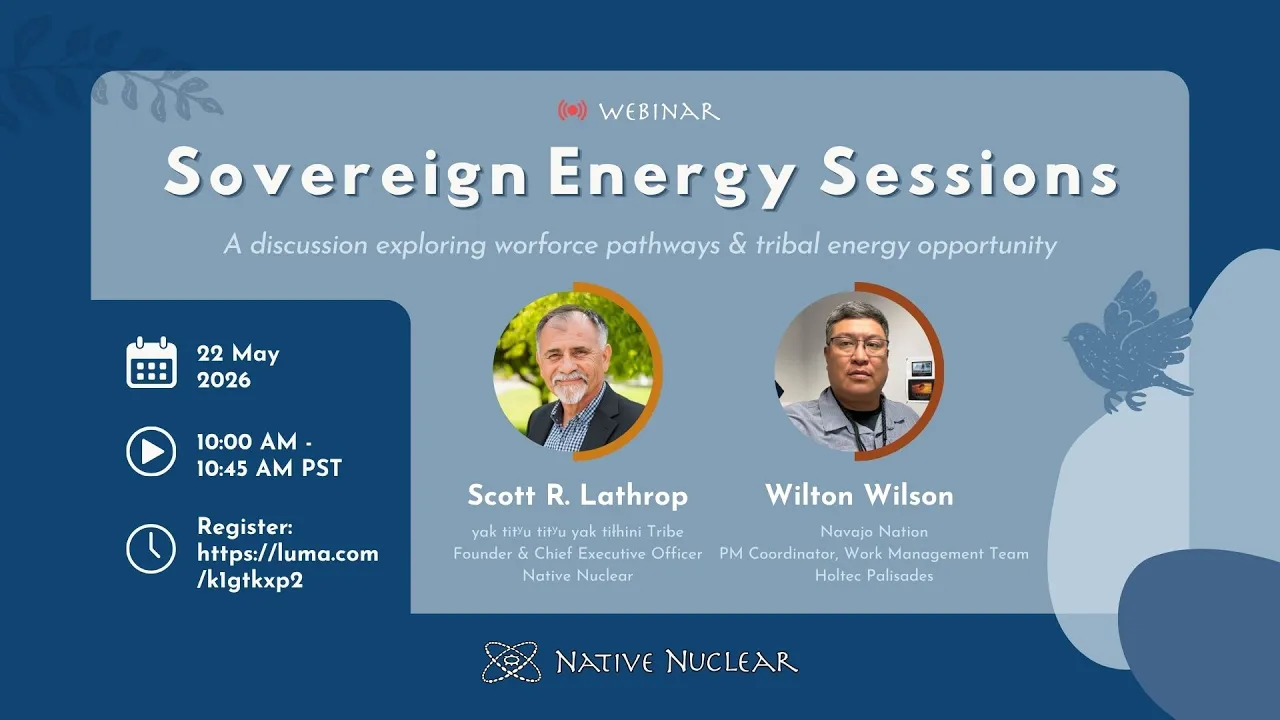
Watch the full Sovereign Energy Session with Wilton Wilson on our YouTube channel:
Native Nuclear hosts these conversations to bring a trusted voice to tribal communities about the nuclear industry. We don't take a position for any tribe or speak on anyone's behalf. We share real stories so communities can make informed decisions on their own terms.
If your community wants to learn more, reach out to us. We're here as a resource.
Sovereign Energy Session
Some careers are planned. Wilton Wilson's was built one question at a time. He grew up on the Navajo Reservation in Lupton, Arizona, raised in large part by grandparents who had livestock and a way of teaching that didn't feel like teaching at all. Every weekend the family drove out to look after the animals. Caring for livestock meant praying for rain, praying for the land to provide. “The animals,” he said, “put peace in your mind.” He didn't know it then, but those weekends were preparing him for a life of responsibility.
A first job that turned into a calling Wilton's background was masonry. He'd picked up some scaffolding experience working alongside an uncle who ran a masonry business. So when he hired on at Palo Verde Nuclear Generating Station as a carpenter building scaffold decks, he figured it was just another job. “It was a typical job is what I thought it was,” he told us. “But it led to bigger things.”
Palo Verde stopped him in his tracks. At the time it was the largest power producer in the country, three reactors, building after building, training facilities everywhere. He was amazed by the scale.
He was also surprised by something he'd never seen on a construction site: the training. Before he could touch a tool, he sat in a computer lab for weeks. It felt like being back in school, folders and pamphlets and all. The training was hard. There were a limited number of attempts allowed, and on one of them he came down to his very last chance.
“Boy, I prayed. Fortunately, I went and passed. But the safety there is at the highest level I've seen.” — Wilton Wilson
A family connection nobody saw coming
For a while, Wilton didn't tell anyone much about his work. He just went in, did the job, brought home a paycheck. Then one Sunday night at his grandparents' house, his grandfather asked where he was headed. Wilton said he had to drive back to work west of Phoenix. His grandfather paused.
He'd worked out there years ago, he said, pouring concrete in brutal heat for some kind of power plant, though he could never remember what they were building.
It was the same plant. His grandfather had helped lay the foundations of the very station where Wilton now worked. Two generations, the same ground, discovered by accident over dinner.
There are no shortcuts
Early on, Wilton asked one of the plant's directors a direct question: what's the shortcut to getting where you are? The director laughed. “There ain't no shortcuts,” he said. “You got to understand what you're working around.” Wilton took that to heart. Building scaffold decks for the HVAC, mechanical, and electrical teams, he started asking why. Why this location? Why this size deck? What are you replacing? He began reading work orders out of pure curiosity, then got computer access and studied the details of the jobs his crews were supporting.
That curiosity moved him up. Lead, then foreman, then an opening in scheduling. He already knew the people, the disciplines, and the timeframes each task required, so when he learned P6, the scheduling software used across the nuclear fleet, the pieces fell together “like a deck of cards.” He calls that certification a golden ticket. Sitting in project meetings, he absorbed how budgets, timelines, and systems all connected. It all came back to plant knowledge, the thing he'd been building since his first scaffold.
You don't need a degree to start
One of the most important things Wilton wants young people to hear is that the door is wider than they think. Plenty of people picture nuclear work as a four-year engineering degree and nothing else. The reality on site is far more diverse. Some workers come from the Navy. Some come straight from college. And many, like Wilton, grow through the training the plant provides.
“I never finished college,” he said plainly. “I attended but never completed my degree.” What mattered was applying himself to the training that was available and staying curious. He watched people without degrees move into operations and other skilled roles. His message is simple: be the person who's curious and asks the questions. “Applying yourself is going to be 90% of it,” he said. “The other 15%, we'll just call it luck.”
A family in nuclear
Wilton's belief in the industry shows up at his own dinner table. His wife now works at Palisades after starting at Palo Verde. His daughter began in housekeeping, set her sights on becoming a nuclear security officer, and trained up into the role. His son started as a helper in the mechanical department, joined the carpenters' union, and is now building his own path at Palisades, the same way his father did. “That's where I started also,” Wilton told him. “Look at those components, understand your work order, ask those questions.”
Respecting the history, owning the future
Wilton didn't shy away from the hardest part of this conversation. The Navajo Nation carries real and justified wariness toward nuclear, rooted in how uranium was mined on the reservation and in events like the Church Rock spill. He shares that wariness. “I hold a fear to it, to an extent, to respect it,” he said. That respect is exactly why the training matters. Lose control of it and the consequences are serious, which is why everyone on site holds each other accountable.
His vision is one of ownership. If young Native people learn the work, earn the permits, and understand how to handle these materials safely, they can be the ones at the table when projects come near their homelands. They can speak directly to safety, for the community and the environment, before a project ever begins.
“It's going to fall back to us as Native Americans to own that, to take and embrace that knowledge. So when we figure something out, we can run it and own it.” — Wilton Wilson
Our host put it another way during the session: the opposite of fear is knowledge. Electricity was terrifying before people learned to control it and put it to work. Nuclear sits in the same place for many communities now. Understanding is what turns a feared thing into a resource that can serve the people.
Advice for the next generation
When asked what he'd say to a young Native person who's never considered nuclear, Wilton kept it grounded. You can lead a horse to water, he said, but the interest has to be theirs. When someone shows that spark, the people who know things will start teaching them. His advice works for any field, not just nuclear: surround yourself with the people you want to become. Reach out. Ask questions. Do your own research before you commit. Curiosity, he says, is what leads you to opportunity.
And the rewards can be real. Asked how far his income had come since that first carpentry job, Wilton answered the way a storyteller would. “Before, we were hunting rabbits,” he said. “Now we came across the field of buffaloes.”
Watch the full Sovereign Energy Session with Wilton Wilson on our YouTube channel:
Native Nuclear hosts these conversations to bring a trusted voice to tribal communities about the nuclear industry. We don't take a position for any tribe or speak on anyone's behalf. We share real stories so communities can make informed decisions on their own terms.
If your community wants to learn more, reach out to us. We're here as a resource.
Subscribe To Our Newsletter
Subscribe To Our Newsletter
Get our latest updates delivered directly to your inbox!
Share It On:
Related Articles
Related Articles
Connecting Native Voices to the Nuclear Industry
Join our email list for monthly updates
While we advocate for greater Native representation in nuclear energy, we do not represent, nor do we speak on behalf of, any specific tribe.
@NATIVENUCLEAR 2025
|
Registered 501(c)(3)
Connecting Native Voices to the Nuclear Industry
Join our email list for monthly updates
While we advocate for greater Native representation in nuclear energy, we do not represent, nor do we speak on behalf of, any specific tribe.
@NATIVENUCLEAR 2025
Registered 501(c)(3)