Community & Partnerships
Community & Partnerships
Why Native Leaders Matter in the Future of Energy
|
5
min read
Less than one percent.
That is the share of foundation giving in the United States that reaches Native-led nonprofits each year. It is a number that has held painfully steady for decades — even as the work of Native organizations has grown more sophisticated, more far-reaching, and more central to the questions our country is trying to answer.
Native Nonprofit Day exists to change that number.
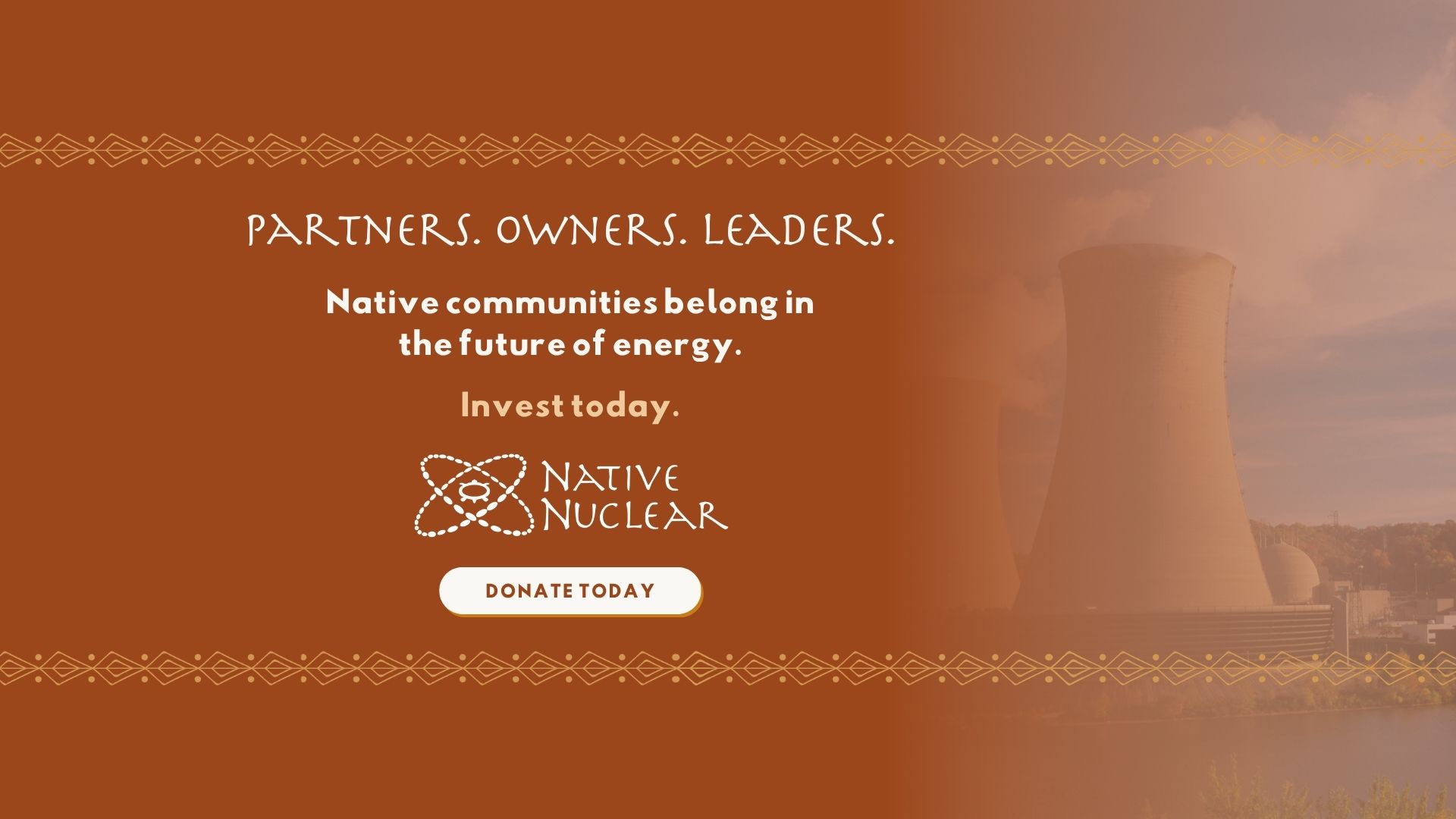
Every May, on the third Thursday of the month, the Native Ways Federation organizes a nationwide moment of giving and awareness for Native-led nonprofits. This year, that day is Thursday, May 21. Native Nuclear is on the list, and we are asking — clearly and directly — for your support.
We are also asking for something deeper than a one-day gift. We are asking you to think about why Native leadership matters, especially in the field where we work: energy.
Energy decisions are land decisions
Every reactor, transmission line, mine, and pipeline ever built sits on land that has a history. For Native communities, that history is not abstract. It is generational. The relationship between Native peoples and the land is a relationship of stewardship, of memory, and of responsibility to the people who will come next.
When energy decisions are made without Native voices in the room, the people who carry that responsibility are sidelined in their own future. The decisions get made anyway. They just get made worse.
This is true in fossil fuels. It is true in renewables. And it is especially true in nuclear.
The U.S. is in the middle of a nuclear renaissance. Advanced reactor designs are reaching commercial deployment. States that closed the door on nuclear decades ago (California among them) are reopening the conversation. Federal funding is flowing toward advanced reactors and the workforce required to build them. The next 50 years of American energy infrastructure is being decided right now, in real time, by people who in many cases have never sat in a tribal council meeting.
Native communities deserve to be part of that conversation as partners, owners, and leaders — not as parties to be consulted at the end of a process.
What "Native-led" actually means
The Native Ways Federation defines Native-led nonprofits as organizations where at least 51 percent of the board of directors and leadership team identify as American Indian, Alaska Native, or Native Hawaiian. That definition matters because leadership shapes outcomes. It shapes which communities get invited to the table. It shapes which questions get asked. It shapes which solutions get tested and which get dismissed before they ever get a fair hearing.
Native Nuclear is Native-led by design. We were founded to be a bridge between educational institutions, Native communities, and the nuclear energy sector. A bridge does not work if only one side built it.
Three pillars
Our work is guided by three pillars: Heritage, Engagement, and Opportunity.
Heritage means that energy decisions must respect cultural values and the deep relationship Native peoples have with the land. It means refusing to repeat the errors of past energy buildouts, which too often treated tribal land as available rather than sacred. It means starting every conversation with the question: whose land is this, and what do they say?
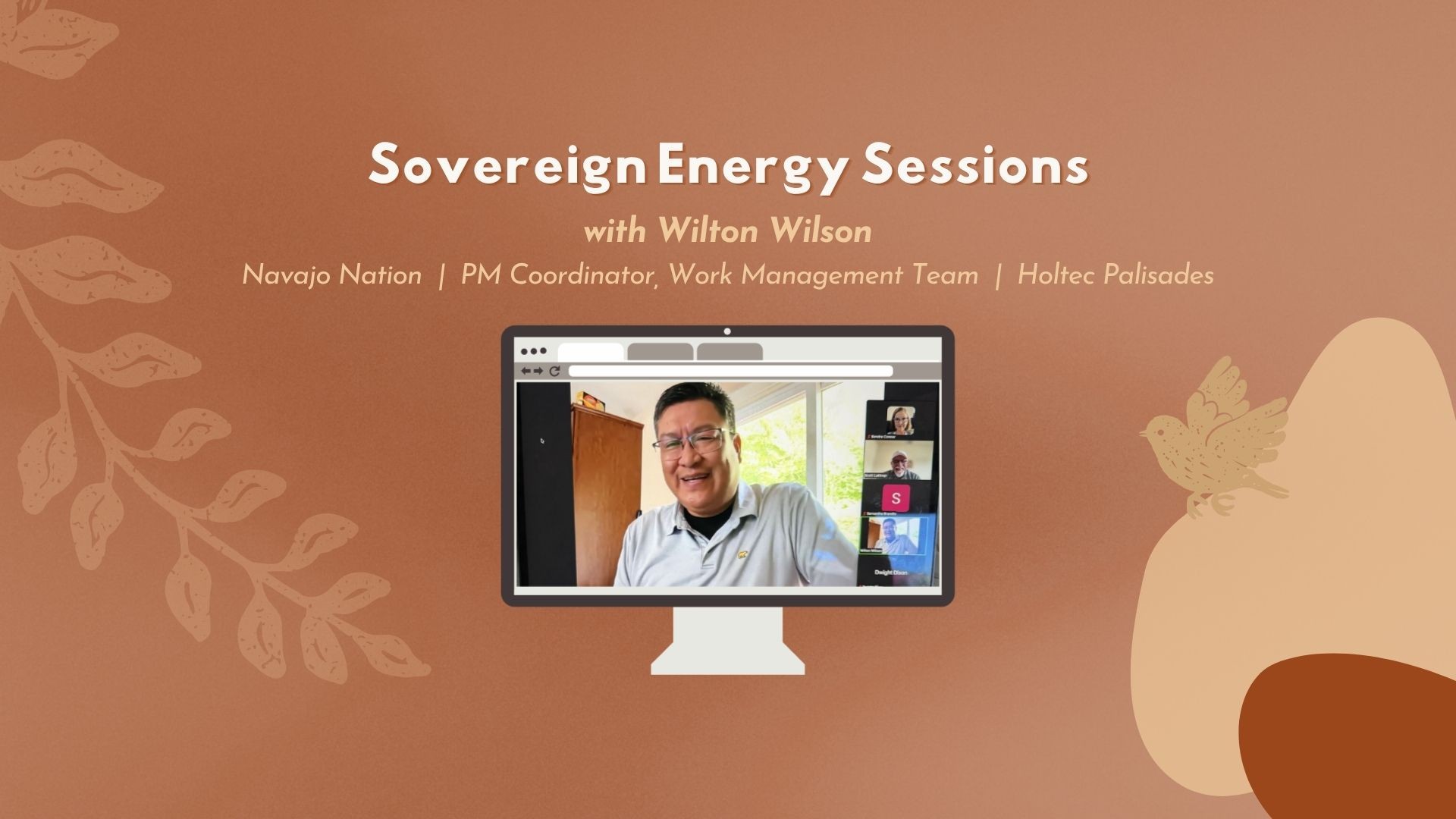
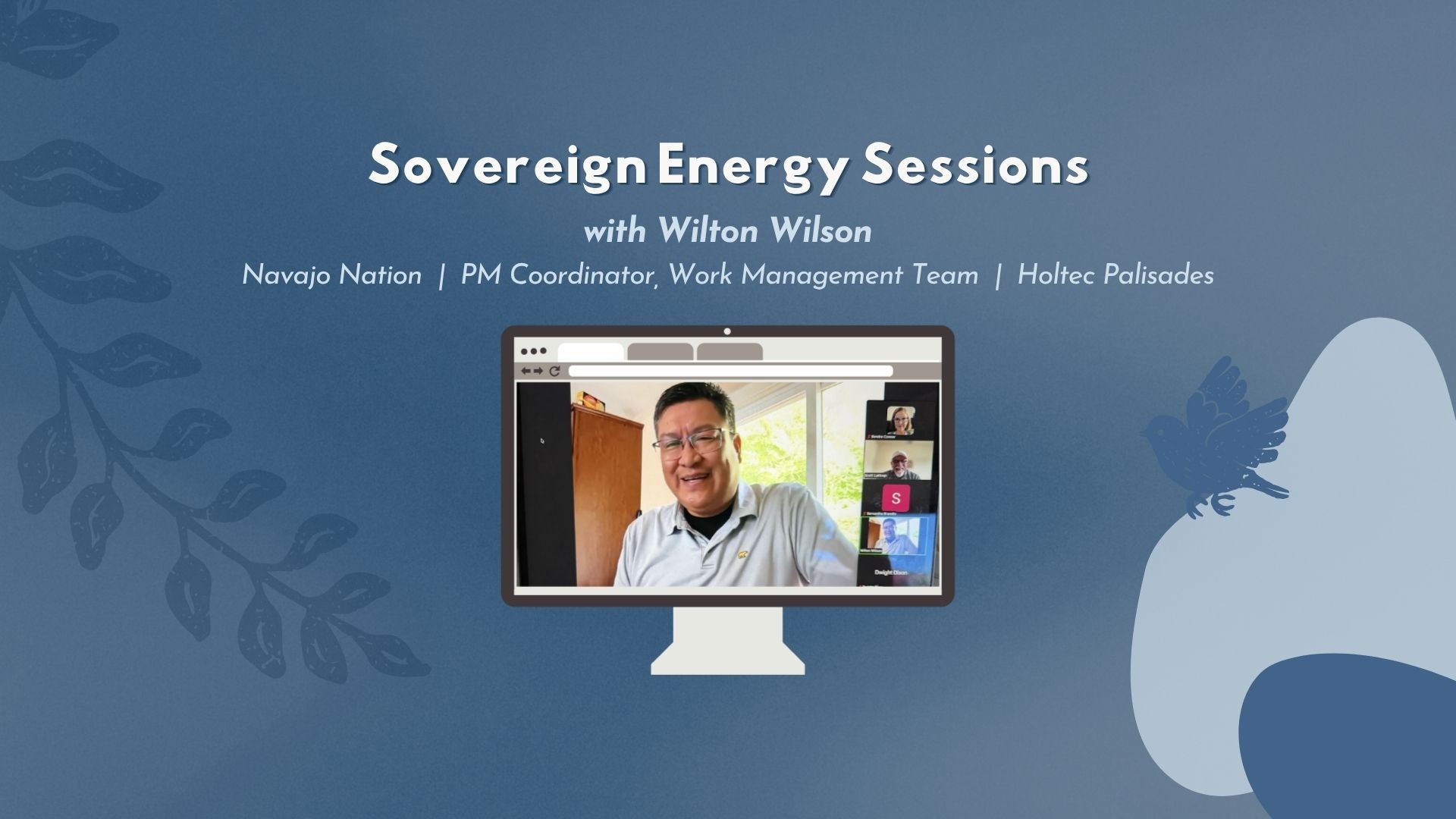
Engagement means trust is built through honest dialogue, education, and conversations led by Native voices. Our Sovereign Energy Sessions webinar series exists for exactly this purpose. So do the relationships we build, one by one, with tribal leaders, students, and educators. None of this work is flashy. All of it is foundational.
Opportunity means tribal communities deserve to participate in the energy economy on their own terms — as partners with equity, not as afterthoughts. Reliable energy supports economic growth. Ownership supports generational wealth. Both should be available to Native communities at the same scale they are available everywhere else.
What your gift funds
A donation to Native Nuclear on Native Nonprofit Day, or any day, does not buy a billboard. It funds the patient, often invisible work that makes the bigger conversations possible.
It funds a webinar that brings tribal leaders, energy professionals, and policy advocates into the same room for honest dialogue. It funds the travel of a Native student to a nuclear engineering conference where they may be the only Native person there, and the door that opens because they showed up. It funds the hours it takes to sit with a tribal council and answer real questions, with real data, on a real timeline.
It is not glamorous work. It is foundational work. And the people doing it are showing up day after day because the alternative — silence on the part of Native leadership at this moment in energy history — is not acceptable.
Don't wait
The 2026 Native Nonprofit Day theme, set by the Native Ways Federation, is Plant Seeds. Nurture Growth. Create Year-Round Momentum. It is the right theme. The work of changing how Native communities are positioned in the U.S. energy economy is not a one-day project. It is a generation-long one.
But every long project starts with a decision today.
If Native Nuclear's mission resonates with you — if you believe Native communities deserve a seat at the table where our energy future is being decided — we are asking you to plant a seed today. You do not have to wait for May 21. The link is open now.
🔗 Give today: https://www.givenative.org/organization/Native-Nuclear
Whatever you give, whenever you give it, becomes part of the foundation we are building. And that foundation will outlast any single day on the calendar.
Thank you for showing up.
— The Native Nuclear Team
Less than one percent.
That is the share of foundation giving in the United States that reaches Native-led nonprofits each year. It is a number that has held painfully steady for decades — even as the work of Native organizations has grown more sophisticated, more far-reaching, and more central to the questions our country is trying to answer.
Native Nonprofit Day exists to change that number.
Every May, on the third Thursday of the month, the Native Ways Federation organizes a nationwide moment of giving and awareness for Native-led nonprofits. This year, that day is Thursday, May 21. Native Nuclear is on the list, and we are asking — clearly and directly — for your support.
We are also asking for something deeper than a one-day gift. We are asking you to think about why Native leadership matters, especially in the field where we work: energy.
Energy decisions are land decisions
Every reactor, transmission line, mine, and pipeline ever built sits on land that has a history. For Native communities, that history is not abstract. It is generational. The relationship between Native peoples and the land is a relationship of stewardship, of memory, and of responsibility to the people who will come next.
When energy decisions are made without Native voices in the room, the people who carry that responsibility are sidelined in their own future. The decisions get made anyway. They just get made worse.
This is true in fossil fuels. It is true in renewables. And it is especially true in nuclear.
The U.S. is in the middle of a nuclear renaissance. Advanced reactor designs are reaching commercial deployment. States that closed the door on nuclear decades ago (California among them) are reopening the conversation. Federal funding is flowing toward advanced reactors and the workforce required to build them. The next 50 years of American energy infrastructure is being decided right now, in real time, by people who in many cases have never sat in a tribal council meeting.
Native communities deserve to be part of that conversation as partners, owners, and leaders — not as parties to be consulted at the end of a process.
What "Native-led" actually means
The Native Ways Federation defines Native-led nonprofits as organizations where at least 51 percent of the board of directors and leadership team identify as American Indian, Alaska Native, or Native Hawaiian. That definition matters because leadership shapes outcomes. It shapes which communities get invited to the table. It shapes which questions get asked. It shapes which solutions get tested and which get dismissed before they ever get a fair hearing.
Native Nuclear is Native-led by design. We were founded to be a bridge between educational institutions, Native communities, and the nuclear energy sector. A bridge does not work if only one side built it.
Three pillars
Our work is guided by three pillars: Heritage, Engagement, and Opportunity.
Heritage means that energy decisions must respect cultural values and the deep relationship Native peoples have with the land. It means refusing to repeat the errors of past energy buildouts, which too often treated tribal land as available rather than sacred. It means starting every conversation with the question: whose land is this, and what do they say?
Engagement means trust is built through honest dialogue, education, and conversations led by Native voices. Our Sovereign Energy Sessions webinar series exists for exactly this purpose. So do the relationships we build, one by one, with tribal leaders, students, and educators. None of this work is flashy. All of it is foundational.
Opportunity means tribal communities deserve to participate in the energy economy on their own terms — as partners with equity, not as afterthoughts. Reliable energy supports economic growth. Ownership supports generational wealth. Both should be available to Native communities at the same scale they are available everywhere else.
What your gift funds
A donation to Native Nuclear on Native Nonprofit Day, or any day, does not buy a billboard. It funds the patient, often invisible work that makes the bigger conversations possible.
It funds a webinar that brings tribal leaders, energy professionals, and policy advocates into the same room for honest dialogue. It funds the travel of a Native student to a nuclear engineering conference where they may be the only Native person there, and the door that opens because they showed up. It funds the hours it takes to sit with a tribal council and answer real questions, with real data, on a real timeline.
It is not glamorous work. It is foundational work. And the people doing it are showing up day after day because the alternative — silence on the part of Native leadership at this moment in energy history — is not acceptable.
Don't wait
The 2026 Native Nonprofit Day theme, set by the Native Ways Federation, is Plant Seeds. Nurture Growth. Create Year-Round Momentum. It is the right theme. The work of changing how Native communities are positioned in the U.S. energy economy is not a one-day project. It is a generation-long one.
But every long project starts with a decision today.
If Native Nuclear's mission resonates with you — if you believe Native communities deserve a seat at the table where our energy future is being decided — we are asking you to plant a seed today. You do not have to wait for May 21. The link is open now.
🔗 Give today: https://www.givenative.org/organization/Native-Nuclear
Whatever you give, whenever you give it, becomes part of the foundation we are building. And that foundation will outlast any single day on the calendar.
Thank you for showing up.
— The Native Nuclear Team
Subscribe To Our Newsletter
Subscribe To Our Newsletter
Get our latest updates delivered directly to your inbox!
Share It On:
Related Articles
Related Articles
Connecting Native Voices to the Nuclear Industry
Join our email list for monthly updates
While we advocate for greater Native representation in nuclear energy, we do not represent, nor do we speak on behalf of, any specific tribe.
@NATIVENUCLEAR 2025
|
Registered 501(c)(3)
Connecting Native Voices to the Nuclear Industry
Join our email list for monthly updates
While we advocate for greater Native representation in nuclear energy, we do not represent, nor do we speak on behalf of, any specific tribe.
@NATIVENUCLEAR 2025
Registered 501(c)(3)